

Blog
Streamline Your Design Processes with Cadova

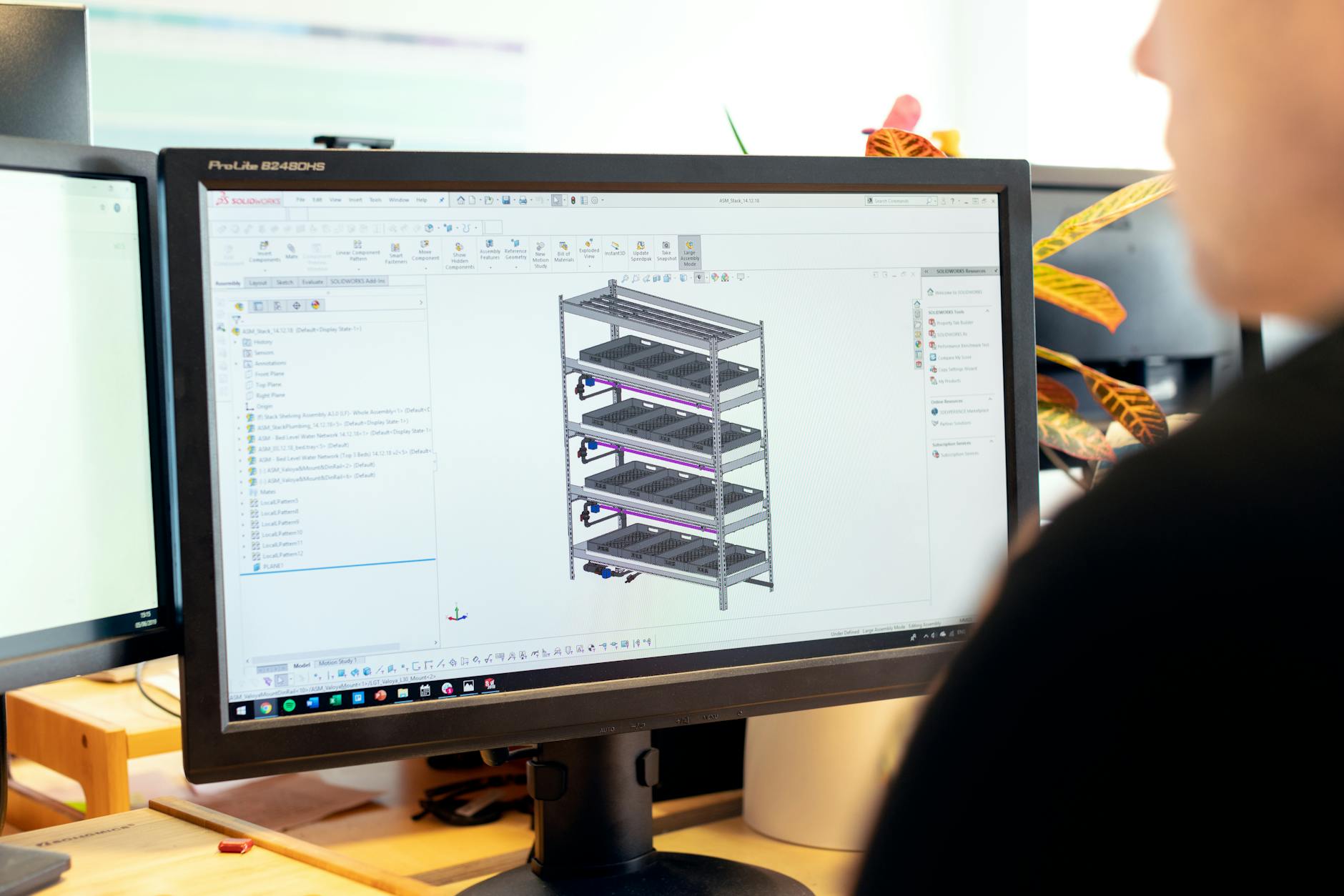
Unlocking Efficient Design: Exploring Cadova, the Swift DSL for Parametric 3D Modeling
Estimated reading time: 6 minutes
- Cadova enhances design processes with parametric modeling.
- Integrating AI tools boosts efficiency and creativity.
- Collaboration across teams is made easier with user-friendly interfaces.
- Businesses can drive digital transformation by adopting AI strategies.
Table of Contents
- Understanding Cadova
- Implications for Business Efficiency
- Integrating AI Automation into Design Workflow
- Driving Digital Transformation with AI Tools
- The Future of Design and AI Technologies
- Call to Action
- FAQ
Understanding Cadova
Cadova, unveiled in a recent GitHub repository, represents a breakthrough in parametric design. Parametric modeling allows designers and engineers to create 3D models that are defined by parameters, which can be adjusted to produce varied outputs without starting from scratch. This flexibility is critical in industries like architecture, engineering, and product design, where rapid prototyping and iteration can significantly affect time-to-market and resource allocation.
Cadova is built on Swift, a programming language known for its performance and safety. This combination makes Cadova not only efficient but also user-friendly, enabling designers with varying technical skills to harness the power of parametric modeling without being overwhelmed by complexity. By simplifying the coding aspect of design, Cadova facilitates creativity while nurturing a productive workflow.
Implications for Business Efficiency
- Accelerated Design Processes: With tools like Cadova, businesses can expect shorter design cycles. Parametric modeling allows teams to quickly adjust designs based on client feedback or market changes, greatly enhancing responsiveness.
- Cost-Effectiveness: Reduced design time directly correlates to lower costs. By optimizing workflows through robust tools, organizations can allocate funds to other critical areas, such as development or marketing.
- Collaboration: Cadova’s approachable interface encourages collaboration between designers, engineers, and stakeholders. Cross-functional teams can engage in real-time discussions, leading to better outcomes and innovation.
A Practical Takeaway
As a business leader or professional, consider how adopting Cadova or similar parametric modeling tools could streamline your design processes. Evaluate your current workflow and identify areas where time savings could translate into cost savings and enhance collaboration within your teams. Investing in training for your staff in tools like Cadova might yield significant returns in productivity and innovation.
Integrating AI Automation into Design Workflow
The advent of AI technologies has further revolutionized design paradigms. Companies are increasingly blending AI with traditional design methods for added efficiency. Here’s how AI automation, including services from AITechScope, can empower your design teams:
1. Workflow Optimization
AI tools facilitate the automation of repetitive tasks, allowing designers to focus on the creative aspects of their work. Integrating AI into your design processes can lead to faster project completion and a higher standard of quality.
2. Enhanced Data Analysis
AI can analyze vast amounts of data to inform design decisions. Imagine a scenario in which AI assesses market trends and customer preferences, providing insights that influence your product design process. This alignment increases the likelihood of market success.
3. Intelligent Delegation
With AI-powered solutions like those offered by AITechScope, businesses can intelligently delegate tasks based on priority and capability. For instance, n8n automation allows seamless workflows that connect various tools and platforms. By orchestrating these tasks, teams can operate more efficiently, with each member contributing to their strengths.
Driving Digital Transformation with AI Tools
In an era where digital transformation is no longer optional, embracing technologies that improve operational efficiency is crucial. AI tools like Cadova not only fit into this framework but also propel businesses toward achieving digital maturity. Strategies that prioritize AI and automation can help organizations reinvent their operations for the future.
Key Steps to Implementing AI in Your Business
- Assess Needs: Identify specific areas within your design and operational processes that require improvement. Understand your team’s strengths and areas for growth.
- Research and Experiment: Explore various AI tools, including Cadova, and experiment with their applications within your workflow. Implement pilot projects that allow you to gauge effectiveness without a full-scale commitment.
- Training and Support: Invest in learning resources for your team to ensure they are knowledgeable about the tools you choose. Emphasize the importance of ongoing education as AI tools frequently evolve.
- Partner with Experts: Collaborate with AI consulting services like AITechScope to customize automation strategies tailored to your specific needs. Their expertise in n8n workflows and AI technologies can guide you through the implementation journey.
The Future of Design and AI Technologies
As we stand on the precipice of new technologies, the trajectory of AI in design is poised for exponential growth. Tools like Cadova signal a shift toward more efficient practices that integrate technology with creativity. Businesses that leverage these advancements will not only enhance their design capabilities but also build more resilient operational frameworks.
To stay ahead in this dynamic landscape, consider how your organization can adapt to these emerging trends. By incorporating AI tools and collaborating with experts like AITechScope, you can ensure that your business remains at the forefront of innovation.
Call to Action
Are you ready to embrace the future of design and automation? At AITechScope, we specialize in providing businesses with AI-powered automation and consulting services tailored to your unique needs. Explore how our n8n automation solutions and virtual assistant services can enhance your workflows and drive efficiency. Visit our website today to learn more and schedule a consultation with our experts!
In the rapidly evolving world of technology, the ability to adapt and innovate is crucial for success. As we observe the remarkable potential of tools like Cadova and the impact of AI on design, take the step towards empowering your business through intelligent automation and advanced technology. Together, we can turn your challenges into opportunities for growth and excellence.
FAQ
What is Cadova?
Cadova is a Swift domain-specific language (DSL) designed for parametric 3D modeling, allowing for flexible and efficient design processes.
How can AI impact design?
AI can enhance design workflows by automating repetitive tasks, analyzing data for better decision-making, and enabling intelligent task delegation.
What are the benefits of parametric modeling?
Parametric modeling allows for rapid adjustments and iterations in design, which can significantly reduce time-to-market and improve resource allocation.
How does collaboration improve outcomes in design?
Collaboration fosters real-time communication, leading to better innovation and outcomes through shared insights among designers, engineers, and stakeholders.
Why should businesses invest in training for tools like Cadova?
Training ensures that team members can effectively use tools like Cadova, leading to higher productivity and enhanced creativity in design processes.


